Where it started
The backstory
Teenage Mutant Ninja Turtles began as Kevin Eastman and Peter Laird’s black-and-white comic in 1984, but the toy line did not arrive until Playmates Toys partnered with the creators and the animated series helped introduce the characters to a much larger audience. The first 1988 assortment established the formula: four individually sculpted Turtles, their allies, their enemies and enough vehicles and playsets to turn a bedroom floor into New York City.
The original ten figures were Leonardo, Donatello, Michelangelo, Raphael, Splinter, Shredder, April O’Neil, Bebop, Rocksteady and a Foot Soldier. From that compact beginning, the line expanded into sports teams, disguises, historical costumes, mutations, movie figures and increasingly bizarre villains. That willingness to get weird is a major reason the vintage line remains so rewarding to study.
Collectors should pay attention to more than the character name. Soft heads, hard heads, belt details, weapons colors, card-back assortments and country-of-origin markings can distinguish releases that look nearly identical at first glance.
The familiar favorites
Popular figures to know
These are among the figures that defined the line for the widest audience.
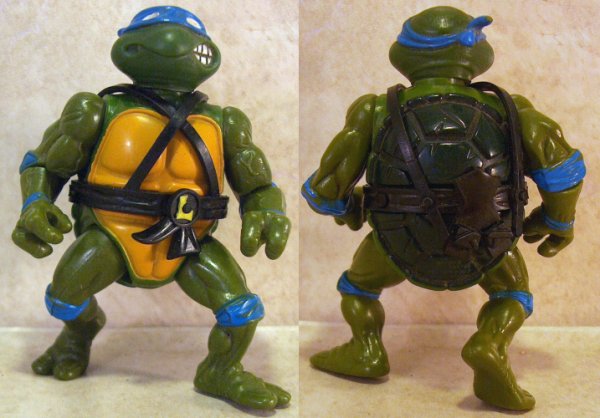
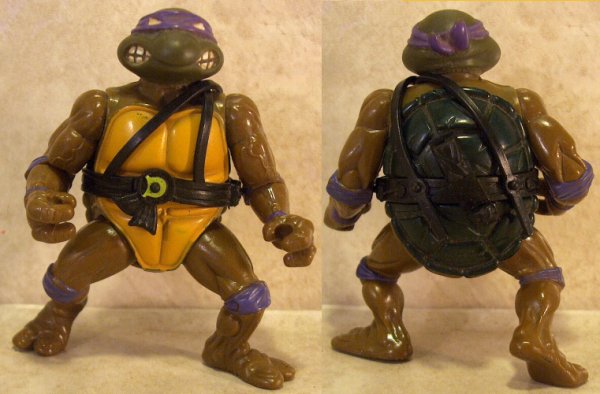
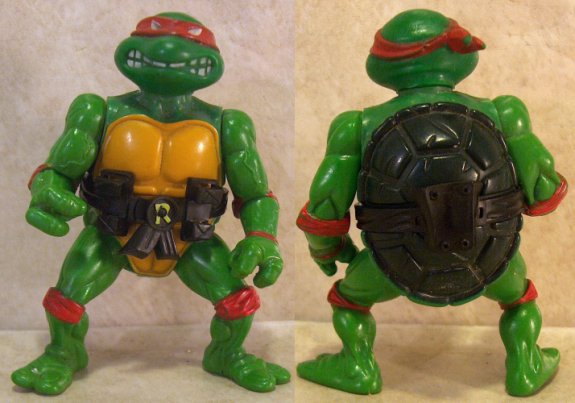
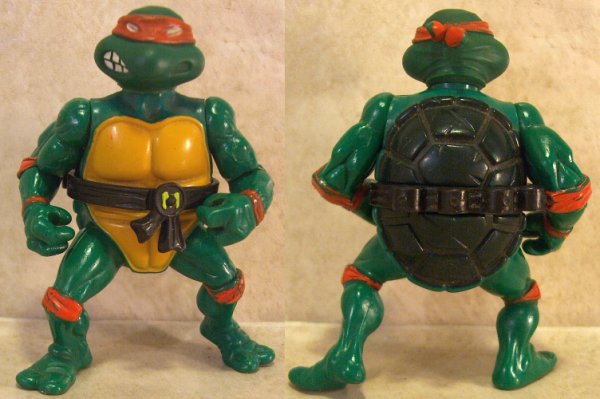
1988 basic assortment
The original four Turtles
Leonardo, Donatello, Michelangelo and Raphael were not simple head swaps. Each had a distinct expression, belt initial, weapon set and skin tone, giving the team more personality than many competing figure lines.
Complete weapon racks are often harder to find than the loose figures. Early soft-head versions are especially popular, but condition and accessory completeness matter more than a seller’s vague “first edition” claim.

1989 basic assortment
Casey Jones
The hockey-mask-wearing vigilante captured the line’s mix of street-level grit and cartoon absurdity. His removable mask and bag of improvised sports weapons made him an instant standout.
The mask, golf bag and small weapons are frequently missing. A loose Casey with all of those parts is a much different collectible from the common incomplete figure.
Beyond the obvious
Uncommon figures worth recognizing
Uncommon does not automatically mean priceless. Distribution, completeness, condition, authenticity and current collector demand all matter.
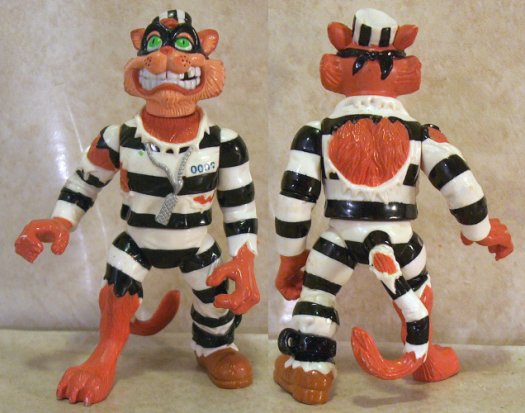
1993 basic assortment
Scratch
A prison-striped cat burglar with a ball-and-chain accessory, Scratch appeared late enough that fewer children encountered him than the core villains. He became one of the line’s best-known scarce figures.
Scratch is heavily reproduced and frequently mislabeled. Compare paint, markings, accessory shapes and trusted reference photos before paying a premium.

1993 basic assortment
Hot Spot
This firefighting Dalmatian is a perfect example of late-line TMNT creativity: a completely new mutant with a profession-based theme, bright gear and only a small role in the wider franchise.
His extinguisher, axe and other small accessories are easy to lose. An uncommon figure is not automatically valuable; authenticity, completeness and condition still determine collector interest.
Did you know?
Fun facts hiding in the toy box
Playmates printed “Pizza Points” on many packages. Children could cut them out and redeem them through mail-away promotions—one reason intact vintage card backs can be harder to find today.
The earliest Turtle figures exist with softer rubber heads and later hard-plastic heads. The change was a manufacturing evolution, not a completely new character release.
April O’Neil received multiple color and stripe variations, making her one of the deceptively complicated figures in the early assortment.
The vintage line grew to hundreds of figures between 1988 and 1997, including characters and costume concepts that never appeared prominently in the cartoon.
Keep exploring
See more: trusted toy-line references
Continue with these focused histories and identification archives. Each link goes to a source with substantially more information about this specific toy line.